About
Fire-Rated Outdoor Decking: Why Dasso Bamboo Meets Strict Wildfire Urban Interface (WUI) Codes
Building or renovating a home in regions prone to seasonal wildfires requires careful consideration of building materials. In regions across California, the Pacific Northwest, Australia, and Mediterranean climates, local building authorities enforce rigorous building standards designed to slow the spread of flames. The Wildfire Urban Interface, commonly known as WUI, defines zones where human development meets undeveloped wildland vegetation. Within these designated hazard zones, every exterior material—from roofing and siding to porch steps and patio decking—must meet strict fire-resistance testing standards.
For decades, property owners in high fire-hazard severity zones were limited to a small selection of materials: heavy concrete, stone paving, or metal decking. Traditional softwoods like pine or cedar ignition hazards make them unviable for WUI zones, while many synthetic plastic composites melt or release heavy toxic smoke under radiant heat exposure. High-density fused bamboo products, such as Dasso decking, have emerged as a premier fire-rated architectural solution that complies with stringent WUI standards while preserving the natural warmth of real wood timber.
Understanding the Mechanics of Wildfire Urban Interface (WUI) Compliance
To evaluate why certain materials pass WUI testing while others fail, it helps to understand how wildland fires actually attack residential structures. Contrary to popular belief, most homes destroyed during a wildfire do not ignite from direct contact with a massive wall of flames. Instead, wind-driven airborne embers, often carried miles ahead of the actual fire front, land on rooftops, lodge into deck board gaps, or settle under patio framing.
When wind-driven embers land on a flammable surface, they act as small sustained ignition sources. If the decking material catches fire easily or supports flame spread, the deck quickly turns into a massive fuel source attached directly to the home. The heat from a burning deck shatters nearby window glass, allowing flames to penetrate interior living spaces.
WUI building codes exist to break this chain of ignition. To gain approval for installation within WUI zones, exterior decking products must undergo rigorous standardized laboratory testing, such as ASTM E84 for flame spread and smoke development, alongside specific fire hazard tests like California State Fire Marshal (SFM) Title 19 standards or ASTM E2707 for ember resistance. Materials that achieve a Class A fire rating demonstrate slow flame spread, minimal smoke contribution, and high resistance to sustained ember ignition.
The Material Science Behind Dasso Fused Strand Technology
Raw culms are naturally fibrous and organic, but the engineering process behind fused strand boards fundamentally alters their thermal and chemical properties, rendering them exceptional at resisting ignition.
Thermal Modification and Resin Saturation
The process begins by harvesting mature culms and stripping them into long longitudinal strands. These strands undergo a proprietary thermal modification process where they are subjected to intense pyrolytic heat exceeding 200 degrees Celsius in a controlled environment. This thermal treatment strips away volatile natural oils, starches, and sugars that typically fuel combustion in natural wood.
Following thermal treatment, the strands are deeply saturated with fire-retardant phenolic resins. Unlike surface-applied liquid coatings that wash off over time or degrade under direct rain and sun exposure, these fire-resistant resins are forced deep into every cell cavity of the fiber structure.
Extreme Hydraulic Compression Creates Non-Porous Density
Once saturated with resins, the strands are placed into heavy hydraulic presses and compressed under immense pressure into solid, ultra-dense planks. This extreme compression yields a material density exceeding 1,200 kilograms per cubic meter, making it far denser than most native hardwoods and composite boards.
Fire requires oxygen, fuel, and heat to sustain combustion. By compacting the strands into a ultra-dense block, the manufacturing process eliminates internal air pockets and voids. Without microscopic air voids to feed internal combustion, oxygen cannot easily penetrate the board core to sustain a flame. When exposed to direct flame or burning embers, the dense outer surface chars slowly rather than catching fire, creating a protective carbon barrier that insulates the inner core from heat.
How Fused Strand Boards Outperform Alternative Decking Materials
When selecting fire-rated materials for a WUI-compliant deck, comparing performance metrics across different material categories illustrates the advantages of fused fiber technology.
Pressure-Treated Softwoods and Untreated Native Timber
Standard softwoods like redwood, cedar, and pressure-treated yellow pine carry Class C or Class B fire ratings at best. Under direct flame exposure or ember contact, the natural resins and low density of softwood allow rapid flame spread and deep ignition. Chemical fire-retardant pressure treatments can improve fire performance temporarily, but these topical chemicals leach out when exposed to rain, requiring periodic re-application to maintain compliance.
Capped Composite and Plastic Decking
Wood-plastic composites and pure PVC decking boards have gained popularity for their low-maintenance qualities, but their performance under intense thermal stress varies greatly. Plastics like polyethylene and PVC have relatively low melting points. When exposed to radiant heat from a nearby fire, synthetic boards can soften, warp, melt, and drop burning plastic drippings onto the framing below. Furthermore, burning plastic polymers produce dense, toxic black smoke that complicates evacuation efforts for homeowners and emergency personnel.
Dense Exotic Tropical Hardwoods
Heavy tropical hardwoods such as Ipe and Cumaru naturally offer high density and solid fire resistance, often achieving Class A fire ratings without chemical additives. However, tropical hardwoods present significant environmental concerns related to rainforest deforestation, unpredictable supply chains, and high material costs. Additionally, tropical hardwoods can crack, check, or warp if installed in extremely dry, arid climates typical of wildfire-prone regions.
Fused Strand Bamboo
Fused strand boards match or exceed the Janka hardness and Class A fire performance of exotic tropical hardwoods while utilizing a rapidly renewable plant source that reaches structural maturity in just five years. The material does not melt or drip like synthetic plastic, does not require chemical re-treatment over its lifetime, and remains dimensionally stable across dramatic temperature fluctuations.
Key Fire Safety Standards and Regulatory Approvals
Building inspectors and local fire marshals require official documentation before issuing permits for construction in WUI zones. High-performance fused strand boards are tested extensively to satisfy major international building codes:
ASTM E84 Class A Flame Spread: This standard measures flame spread and smoke density inside a test tunnel. Class A represents the highest possible fire-safety classification for building materials, demonstrating a flame spread index between 0 and 25.
California State Fire Marshal (SFM) Listing: California maintains some of the most stringent WUI building regulations in the world under Chapter 7A of the California Building Code. Materials listed on the SFM Building Materials Listing program have verified ember-resistant and flame-spread performance for direct use in high wildfire risk zones.
NFPA 268 Ignition Resistance: This test evaluates a material's resistance to ignition when exposed to severe radiant heat flux generated by adjacent burning structures or vegetation.
Designing a WUI-Compliant Outdoor Deck System
Achieving full WUI compliance involves more than simply selecting fire-rated surface planks; the entire deck assembly must be designed to minimize fire risk.
Fire-Resistant Sub-Framing
Placing fire-rated surface planks over flammable untreated pine framing creates a hidden structural vulnerability. Designers in WUI zones increasingly specify steel joist framing systems, aluminum sub-structures, or pressure-treated fire-retardant joists to ensure the supporting frame matches the fire performance of the top decking.
Gapping and Debris Management
Ember ignition often occurs when leaves, pine needles, and dry organic debris collect in the narrow gaps between deck boards or against structural house walls. Designing proper gap spacing between planks allows debris to fall through rather than gather on top of joists. Using metal flashing along the ledger board where the deck meets house siding prevents ember accumulation in critical wall intersections.
Enclosed Under-Deck Spaces
Unenclosed under-deck areas can catch swirling wind-driven embers, setting fire to exposed framing beneath the surface. Enclosing the perimeter under the deck with non-combustible skirting or wire mesh screen prevents embers from blowing underneath while maintaining necessary ventilation to prevent moisture buildup.
Long-Term Durability Meets Modern Architectural Design
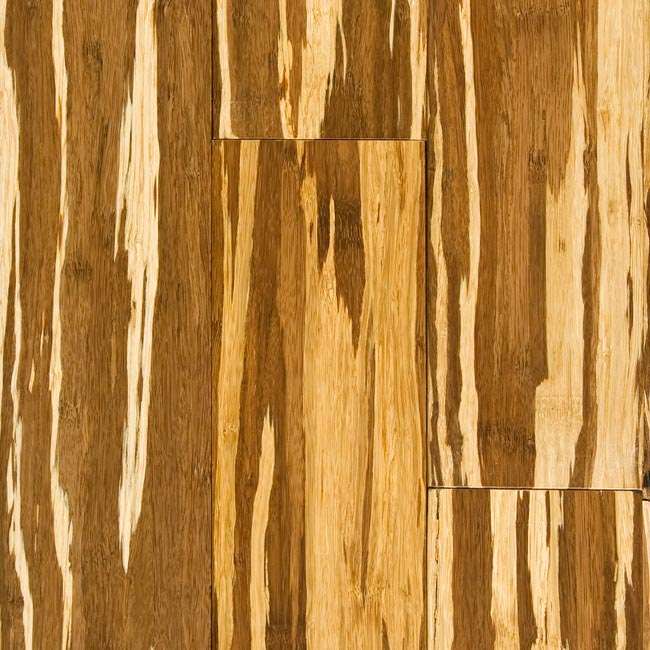
Choosing a Class A fire-rated material does not mean compromising on high-end visual appeal. Fused strand boards feature deep espresso and warm caramelized timber tones that naturally weather over time into a sophisticated silver patina if left un-oiled, similar to luxury hardwoods like Teak or Ipe. Applying a penetrating exterior oil with UV inhibitors preserves the rich, dark wood grain while maintaining the board's protective surface layer.
Beyond fire performance, the extreme Janka hardness rating of fused strand material delivers high scratch resistance, structural stability across long spans, and complete immunity to rot, mold, and subterranean termite damage. Whether installed on a private hillside home, a resort terrace, or a public park boardwalk, fused strand decking provides a reliable, eco-friendly, and WUI-compliant foundation built to endure both weather and thermal hazards.
About Bothbest
Bothbest is a premier factory of bamboo flooring and bamboo decking based in China. With extensive manufacturing expertise, Bothbest delivers high-quality, durable, and eco-friendly bamboo products to global clients, offering reliable solutions for residential, commercial, and outdoor architecture projects.